US-Iran Conflict Escalates After New Airstrikes and Missile Attacks
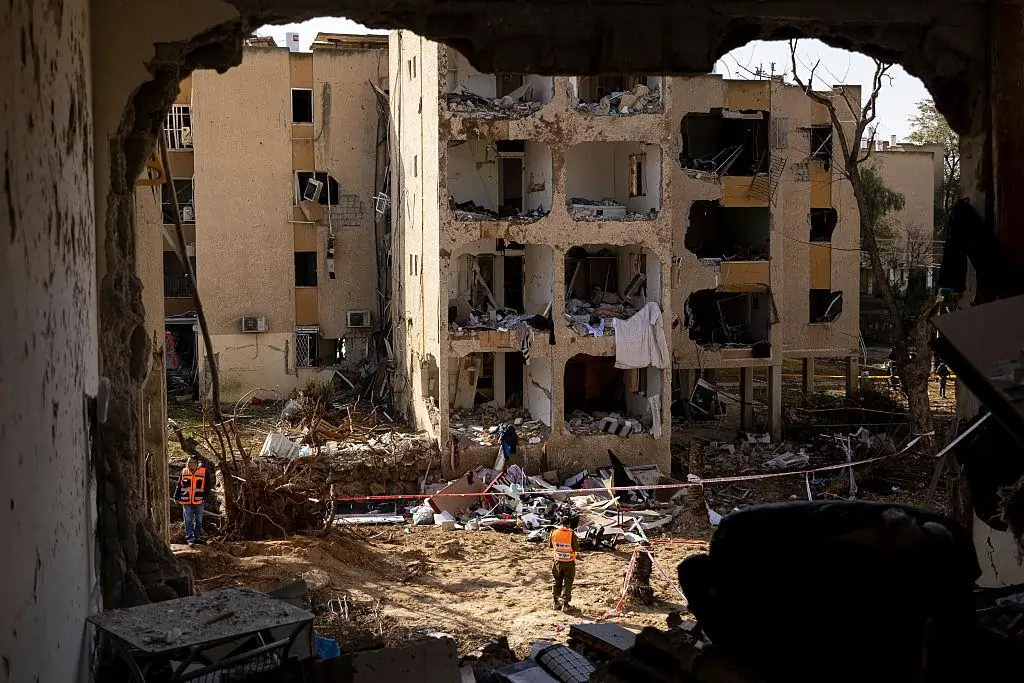
The Middle East is once again at the center of global attention as tensions between the United States and Iran continue to rise. A new round of military action has raised fears of a wider regional conflict after the United States launched additional airstrikes on Iranian targets, prompting Tehran to respond with missile and drone attacks against American military facilities in the region.
The latest developments mark one of the most serious escalations in the ongoing crisis and have renewed concerns about regional stability, international security, and the global economy. While leaders on both sides insist they do not seek a full-scale war, the exchange of military strikes has increased uncertainty across the Middle East and beyond.
What Happened?
According to reports from multiple international media outlets, the United States carried out a second round of airstrikes against Iranian military infrastructure. American officials stated that the strikes were launched in response to what Washington described as continued Iranian aggression, including the downing of a U.S. Army Apache helicopter near the strategically important Strait of Hormuz.
The U.S. military said the operation targeted military surveillance systems, air defense installations, and communication facilities believed to be involved in supporting Iranian military activities. American officials described the strikes as defensive measures intended to protect U.S. forces and allies in the region rather than the beginning of a broader military campaign.
Iran, however, strongly condemned the attacks and accused the United States of violating previous understandings aimed at reducing tensions. Iranian leaders warned that any further military action would be met with a firm response.
Within hours of the U.S. strikes, Iran launched missiles and drones toward military installations hosting American forces in Bahrain, Kuwait, and Jordan. Regional defense systems reportedly intercepted many of the incoming threats, limiting casualties and damage. Nevertheless, the attacks demonstrated Tehran’s willingness and ability to respond quickly to military pressure.
Why the Strait of Hormuz Matters?
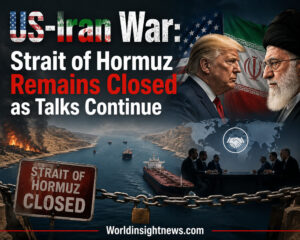
One of the key factors driving international concern is the location of the latest incidents. The Strait of Hormuz is one of the world’s most important maritime routes, connecting the Persian Gulf with global shipping lanes.
A significant portion of the world’s oil exports passes through this narrow waterway every day. Any military activity in or around the strait has the potential to disrupt energy supplies, increase shipping risks, and trigger higher fuel prices worldwide.
Because of its strategic importance, the Strait of Hormuz has often been a focal point of tensions between Iran and Western powers. The recent military exchanges have once again highlighted how instability in this area can quickly affect global markets.
Diplomatic Efforts Under Pressure
Despite the military escalation, diplomatic channels remain active. Officials from several countries are reportedly working behind the scenes to encourage restraint and prevent the conflict from expanding further.
The United States has maintained that military actions are intended to deter future attacks and strengthen its position in ongoing negotiations. Iran, meanwhile, insists that meaningful talks cannot take place while military pressure continues.
Analysts note that diplomacy becomes increasingly difficult when military operations intensify. Each side risks losing trust in the negotiation process, making it harder to reach agreements that could reduce tensions.
At the same time, many regional governments are urging both countries to avoid actions that could draw neighboring states into the conflict. Several Gulf nations have expressed concern about becoming unintended targets due to the presence of foreign military facilities within their borders.
Economic Impact Already Visible
Financial markets have reacted cautiously to the latest developments. Oil prices have moved higher as traders assess the possibility of supply disruptions in the Gulf region.
Energy analysts warn that prolonged instability could lead to increased transportation costs, higher fuel prices, and inflationary pressures in many countries. Businesses that depend heavily on energy imports are particularly vulnerable to price fluctuations resulting from geopolitical uncertainty.
Investors are also closely monitoring the situation because prolonged conflict could affect trade routes, shipping insurance costs, and overall market confidence. While the immediate economic impact remains manageable, a broader conflict could create significant challenges for the global economy.
Regional Security Concerns
The Middle East has experienced numerous periods of tension over the past several decades, but the current situation carries unique risks due to the involvement of multiple countries and military alliances.
Military bases across the Gulf region host thousands of personnel from the United States and allied nations. Any attacks targeting these facilities could potentially trigger additional responses and increase the likelihood of a wider confrontation.
Security experts believe that one of the greatest dangers is the possibility of miscalculation. In high-pressure situations, even a limited military incident can rapidly escalate if either side perceives a threat that requires immediate retaliation.
This is why many international observers are calling for increased communication between military and diplomatic channels to prevent unintended escalation.
The Role of International Allies
Several countries are closely monitoring the conflict and assessing its implications for regional and global security.
European governments have repeatedly urged restraint and called for renewed diplomatic engagement. Many nations remain concerned about the possibility of disruptions to international trade and energy supplies.
Regional allies of both the United States and Iran are also watching developments carefully. Any expansion of the conflict could affect security arrangements, economic partnerships, and political stability across the Middle East.
International organizations have similarly emphasized the importance of dialogue and conflict prevention. Calls for de-escalation have become increasingly frequent as military activity continues.
Public Reactions Around the World
The renewed fighting has generated strong reactions across social media, political circles, and international news platforms.
Some observers argue that decisive military responses are necessary to deter future attacks and maintain regional security. Others warn that continued retaliation could create a cycle of escalation that becomes increasingly difficult to control.
Many ordinary citizens in the region are expressing concern about the possibility of broader conflict. Communities that have already experienced years of instability worry about the humanitarian and economic consequences of another major confrontation.
The uncertainty has also affected travelers, businesses, and investors who depend on stability in the region.
What Happens Next?
The coming days are likely to be critical in determining whether the situation moves toward further escalation or renewed diplomacy.
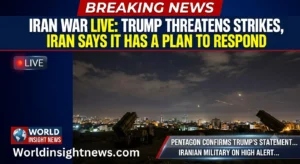
Military officials on both sides remain on high alert, while diplomatic efforts continue behind closed doors. Analysts suggest that future developments will depend largely on whether either side chooses additional military action or prioritizes negotiations.
While leaders in Washington and Tehran continue to exchange strong statements, there remains hope among international observers that diplomatic engagement can prevent a wider regional conflict.
For now, the world is watching closely as one of the most significant geopolitical confrontations of 2026 enters another uncertain chapter. The decisions made in the coming days may shape not only the future of U.S.-Iran relations but also the stability of the broader Middle East and the global economy.
As tensions remain high, the international community continues to call for restraint, dialogue, and a peaceful path forward.