Can Pakistan’s Peace Diplomacy in the Iran Conflict Bring an Economic Dividend?
In recent weeks, Pakistan has found itself in an unexpected diplomatic spotlight after playing a facilitative role in efforts to reduce tensions between the United States and Iran. While the development has raised Pakistan’s international profile, it has also triggered an important question among economists and policy analysts: can this diplomatic visibility translate into real economic gains for the country?
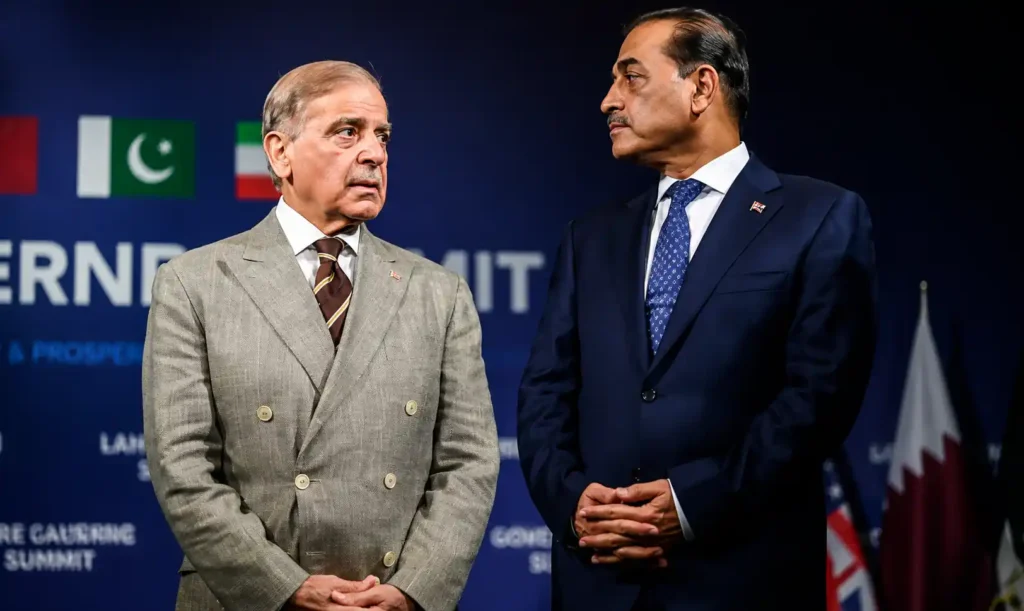
Pakistan’s participation in back-channel and high-level diplomatic engagement, including representation from senior political and military leadership, has been widely acknowledged by international observers. Prime Minister Shehbaz Sharif and Chief of Army Staff Field Marshal Asim Munir were reportedly present during key discussions held in Switzerland, where global stakeholders explored pathways to de-escalate regional tensions.
The situation marks a notable moment for Pakistan, a country that has historically been more associated with regional security challenges than with peace facilitation on the global stage. By positioning itself as a mediator, Islamabad has gained diplomatic goodwill from multiple sides, including Western powers, Gulf states, Turkey, and other regional actors. This has led some analysts to describe Pakistan’s role as a potential “peace pivot” in its foreign policy approach.
A Boost in Diplomatic Capital
From a foreign policy perspective, Pakistan’s involvement has strengthened its diplomatic relevance at a time when global geopolitics is increasingly fragmented. Acting as a bridge between competing regional and global powers has enhanced its visibility in international forums.
Diplomatic observers suggest that such positioning can improve a country’s bargaining power in future negotiations, particularly in areas such as trade agreements, financial assistance, and investment partnerships. For Pakistan, which has long depended on external financial support to stabilize its economy, this renewed attention may open doors for more diversified international engagement.
Additionally, there is growing speculation that improved relations with key global players could help Pakistan deepen its integration with Middle Eastern economies and expand cooperation in sectors such as energy, logistics, defense manufacturing, and digital services.
Potential Economic Opportunities
Economists believe that if Pakistan is able to strategically leverage its diplomatic momentum, several economic opportunities could emerge.
One of the most discussed possibilities is enhanced trade with Iran, particularly if sanctions-related constraints ease in the future. Pakistan shares a long border with Iran, especially in the Balochistan region, which has historically remained underdeveloped but holds significant potential for cross-border commerce. Expanded legal trade channels could benefit sectors such as agriculture, energy imports, construction materials, and consumer goods.
Another potential benefit lies in improved access to Gulf markets. Pakistan already maintains strong labor and service linkages with Gulf Cooperation Council (GCC) countries. Strengthened diplomatic trust could translate into increased labor demand, investment inflows, and infrastructure collaboration.
Western interest in Pakistan’s stabilizing role has also been noted. Some diplomatic sources suggest that countries such as the United Kingdom and others in Europe are exploring ways to deepen economic engagement with Pakistan. This could include expanded trade partnerships, especially in textiles, information technology services, and skilled labor exports.
Structural Economic Challenges Remain
Despite the optimism, most economists remain cautious about overstating the economic impact of diplomatic achievements. Pakistan continues to face deep structural issues that cannot be resolved through external goodwill alone.
The country’s economy is constrained by a narrow tax base, low productivity, and persistent trade deficits. Export growth has remained limited, heavily concentrated in a few sectors such as textiles, while imports continue to exceed export earnings. These imbalances contribute to recurring balance-of-payments crises, which in turn force Pakistan to rely on International Monetary Fund (IMF) programs for stabilization.
In addition, public debt remains high, and fiscal space is limited for development spending. Without significant domestic reforms in taxation, governance, and industrial policy, experts argue that any external economic gains will remain temporary and insufficient to drive long-term transformation.
Lessons from the Past
Pakistan has experienced similar moments of geopolitical relevance in the past. Following the events of 9/11 and the subsequent U.S.-led intervention in Afghanistan, Pakistan’s strategic importance to global powers increased significantly. That period brought financial inflows, debt restructuring, and international assistance.
However, despite these short-term gains, Pakistan struggled to convert geopolitical leverage into sustainable economic reform. Structural weaknesses persisted, and the country eventually returned to cycles of economic instability and external dependence.
Analysts warn that a similar outcome could repeat if current diplomatic momentum is not accompanied by domestic policy changes. The key difference this time, however, is that Pakistan is being viewed not as a frontline state in conflict, but as a potential facilitator of peace.
The “Peace Dividend” Debate
The idea of a “peace dividend” has become central to discussions about Pakistan’s current diplomatic role. Supporters of this view argue that countries that contribute to regional stability often gain improved access to trade, investment, and international partnerships.
According to this perspective, Pakistan’s ability to engage constructively with both Western and regional powers could help it reposition itself as a reliable economic partner. This may include participation in regional connectivity projects, energy pipelines, and transit trade routes linking South Asia, the Middle East, and Central Asia.
However, critics argue that diplomatic capital alone is insufficient. They emphasize that investors prioritize long-term economic fundamentals such as political stability, regulatory consistency, infrastructure quality, and human capital development. Without progress in these areas, Pakistan may struggle to convert goodwill into tangible financial inflows.
What Pakistan Needs to Do Next?
Policy experts suggest that Pakistan should adopt a dual strategy: leveraging diplomatic gains while simultaneously pursuing internal economic reforms.
Key recommendations include broadening the tax base to reduce reliance on external borrowing, improving export competitiveness, and investing in technology and skills development. Strengthening governance institutions and ensuring policy continuity are also considered essential for attracting foreign direct investment.
Additionally, expanding regional economic integration—particularly with neighboring countries—could help unlock new growth opportunities. This includes enhancing trade infrastructure, improving border management systems, and facilitating cross-border investment mechanisms.
Conclusion
Pakistan’s recent diplomatic visibility in the Iran-related peace efforts represents a rare opportunity to reshape its international image. It has positioned the country as a potential mediator in a highly sensitive geopolitical environment, earning recognition from multiple global actors.
However, while this enhanced diplomatic profile may open doors, it does not guarantee economic transformation. The real challenge lies in converting international goodwill into sustainable domestic growth.
Ultimately, Pakistan’s economic future will depend not only on its role in global diplomacy but also on its willingness to undertake deep structural reforms at home. Without addressing longstanding issues in taxation, productivity, and governance, the country risks repeating past cycles where geopolitical relevance failed to translate into lasting economic stability.
The coming years will determine whether Pakistan can truly turn its “peace diplomacy” moment into a meaningful economic dividend or whether it will remain another missed opportunity in its complex economic history.