
US Strikes Iran After Trump Warning, Iran Closes Strait of Hormuz in Major Escalation
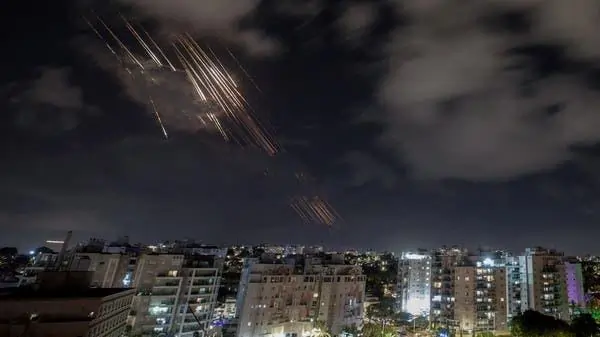
The conflict between the United States and Iran has entered a dangerous new phase after fresh U.S. airstrikes on Iranian targets triggered a strong retaliation from Tehran, including missile threats and the reported closure of the Strait of Hormuz to all shipping.
The latest escalation, reported on June 10–11, 2026, has raised serious global concerns over energy security, regional stability, and the risk of a wider Middle East war.
US Launches New Strikes Inside Iran
According to international reports, the United States carried out a series of airstrikes targeting Iranian military infrastructure after rising tensions and direct warnings from President Donald Trump.
The strikes reportedly focused on radar systems, air defense units, and communication infrastructure used by Iran’s military. U.S. officials described the operation as a “defensive response” to recent Iranian actions in the region, including attacks on American-linked military positions and maritime disruptions in the Gulf.
Washington claimed the strikes were intended to deter further escalation rather than start a prolonged war. However, the timing of the operation following a series of threats and warnings has been widely interpreted as a significant escalation in the ongoing conflict.
Iran Responds With Missile Threats and Regional Attacks
In response to the U.S. strikes, Iran launched missiles and drones toward American military bases in several Gulf countries, including Bahrain, Kuwait, and Jordan.
Although most of the incoming attacks were intercepted by regional defense systems, the strikes marked one of the most serious retaliatory actions in recent months. Military officials in the region confirmed that while there were no large-scale casualties, the situation placed U.S. and allied forces on high alert.
Iranian officials stated that the response was “necessary and proportionate,” warning that further American aggression would be met with stronger retaliation.
Strait of Hormuz Reportedly Closed
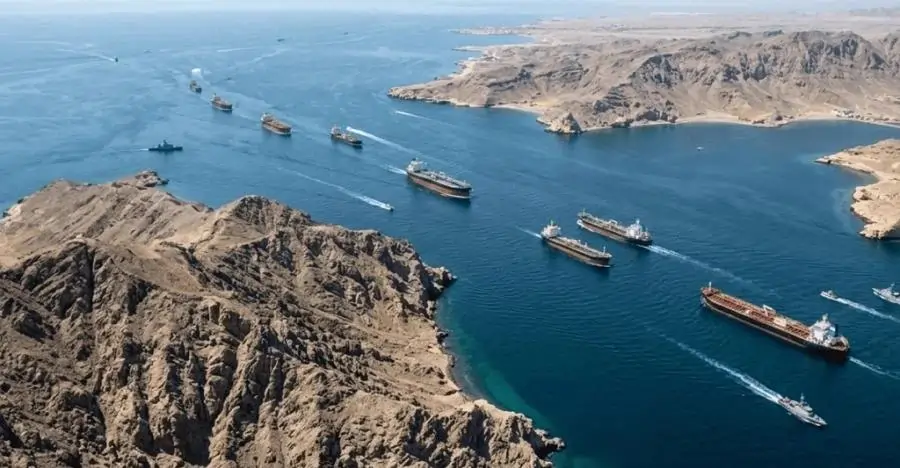
One of the most significant developments in the latest escalation is Iran’s reported decision to close the Strait of Hormuz to all ships, including commercial and oil tankers.
Iranian military authorities warned that any vessel attempting to pass through the strategic waterway could be targeted. The announcement immediately increased tensions across the global energy market.
The Strait of Hormuz is one of the most important shipping routes in the world. Nearly one-fifth of global oil supplies pass through this narrow waterway between Iran and Oman. Any disruption in this region can have immediate consequences on global fuel prices and supply chains.
Following the announcement, oil prices surged sharply as traders reacted to fears of a potential blockade. Analysts warn that even partial restrictions on shipping could significantly impact global markets.
Why the Strait of Hormuz Is So Critical
The Strait of Hormuz is considered one of the most sensitive geopolitical chokepoints in the world.
At its narrowest point, it is only about 33 kilometers wide, yet it handles a massive portion of global energy exports. Countries such as Saudi Arabia, Iraq, Kuwait, and the United Arab Emirates rely heavily on this route to export crude oil and liquefied natural gas.
Any military confrontation in or around the strait has the potential to:
- Disrupt global oil supply
- Increase fuel and transportation costs
- Trigger inflation in energy-dependent economies
- Impact global shipping insurance rates
Because of its importance, even the threat of closure is enough to shake international markets.
Growing Risk of Regional War
The latest exchange of strikes has significantly increased fears that the conflict could expand beyond a limited confrontation between the United States and Iran.
Military bases across the Gulf region host thousands of American troops, making countries like Bahrain, Kuwait, and Jordan potential flashpoints in the conflict. Any direct hit on these installations could escalate the situation further.
Security experts warn that the situation is highly unstable, with both sides responding quickly to each perceived provocation. This creates a high risk of miscalculation, where a single incident could trigger a wider regional war.
Diplomatic Efforts Under Pressure
Despite the military escalation, diplomatic channels remain active behind the scenes. Several countries, including regional Gulf states and European mediators, are reportedly trying to prevent further escalation.
However, negotiations between Washington and Tehran remain fragile. Iran has repeatedly stated that it will not engage in meaningful talks while under military pressure, while the United States insists that Iran must reduce its regional military activities before any long-term agreement can be reached.
Diplomats warn that each round of strikes weakens trust between both sides, making it harder to achieve even a temporary ceasefire.
Impact on Global Oil Markets
One of the immediate consequences of the escalation has been a sharp reaction in global oil prices.
Following the announcement of the Strait of Hormuz closure, crude oil prices rose significantly as traders anticipated supply disruptions. The market remains highly sensitive to any developments in the Gulf region.
Energy analysts say that if tensions continue, oil prices could remain volatile or rise further, depending on how much shipping is actually affected.
Global economies that depend on imported energy are especially vulnerable to these fluctuations. Rising fuel costs could also contribute to inflation in multiple regions.
Reactions from the International Community
The international community has expressed growing concern over the rapid escalation.
Several governments have called for restraint and urged both Washington and Tehran to avoid further military action. Global leaders warn that continued strikes could lead to a broader conflict with unpredictable consequences.
The United Nations and other international organizations have emphasized the importance of dialogue and peaceful resolution, though no formal breakthrough has been announced.
Public Concern and Regional Anxiety
Across the Middle East, civilians and businesses are closely watching developments with growing concern.
In countries near the Gulf, people worry about the possibility of wider war and its economic consequences. Shipping companies and traders are also reassessing risks, particularly for routes passing through the Strait of Hormuz.
Social media discussions reflect a mix of fear, uncertainty, and political debate, with many calling for immediate de-escalation.
What Happens Next?
The situation remains highly fluid, and the next steps by both Washington and Tehran will be critical in determining whether the conflict escalates further or stabilizes.
Possible scenarios include:
- Continued limited strikes with no full-scale war
- Diplomatic intervention leading to a temporary ceasefire
- Further escalation if either side expands military operations
At present, both sides appear unwilling to back down, raising concerns that the crisis could continue to intensify in the coming days.
Conclusion
The latest developments mark one of the most serious escalations in U.S.–Iran relations in recent years. With airstrikes, missile responses, and the reported closure of the Strait of Hormuz, the situation has moved beyond isolated incidents into a broader regional security crisis.
While diplomatic efforts are still underway, the risk of miscalculation remains high. The coming days are likely to determine whether this confrontation can be contained or whether it will expand into a wider conflict affecting the entire Middle East and global economy.