Aramco Helicopter Crash Kills 14 in Ras Tanura, Saudi Arabia: Everything We Know So Far
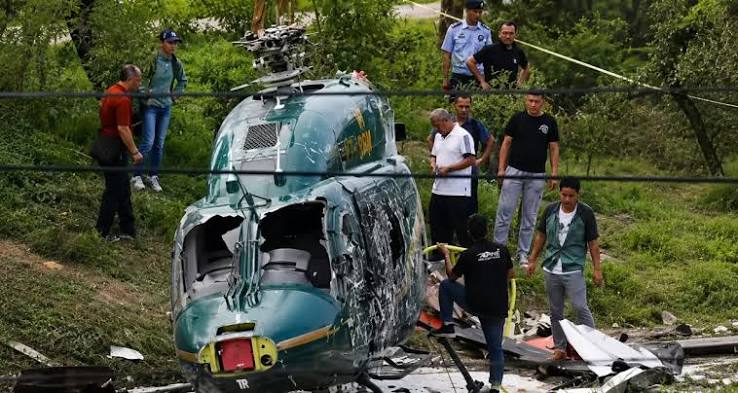
A Saudi Aramco helicopter went down in Ras Tanura on Sunday, June 28, 2026, killing all 14 people on board. Here’s a full breakdown of the crash, the location, the ongoing investigation, and why it matters for the global oil market.
What Happened
Early Sunday morning, at around 6:00 a.m. local time (3:00 a.m. GMT), a helicopter operated by Saudi Aramco crashed in Ras Tanura, a coastal city on Saudi Arabia’s eastern seaboard. All 14 people on board were killed. The Saudi Press Agency (SPA), citing an official from the Ministry of Energy, confirmed that every victim was a Saudi national.
The Ministry of Energy released a short statement expressing grief over the loss of life and extending condolences to the victims’ families. Officials have not released the names of those killed, nor have they given details about the purpose of the flight or who exactly was on board.
What officials have been clear about is what they don’t know yet: the cause of the crash. Saudi authorities have launched a formal investigation involving multiple government agencies. Early reporting indicates investigators are looking at everything from the helicopter’s technical condition to weather conditions and standard flight operations — but no preliminary findings have been made public, and officials are urging people not to jump to conclusions before the inquiry is complete.
Importantly, Saudi authorities have given no indication that the crash was connected to any kind of hostile attack or sabotage.
Why Ras Tanura Matters
If you don’t follow the oil industry closely, Ras Tanura might just sound like any other coastal town. It isn’t. Ras Tanura is one of the most strategically important energy hubs on the planet.
The city is home to one of the largest oil refineries in the Middle East, with a processing capacity of roughly 550,000 barrels per day. It also hosts one of the world’s biggest crude oil export terminals, a facility that plays a central role in moving Saudi crude onto tankers bound for global markets. For a country that is the world’s largest crude oil exporter — producing a little over 10 million barrels per day — Ras Tanura isn’t just another facility on the map. It’s core infrastructure.
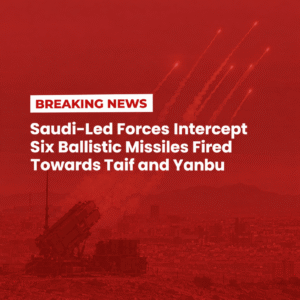
That’s part of why this crash is drawing international attention beyond the immediate tragedy. The timing is notable: Aramco had only just resumed crude oil loadings at the Ras Tanura terminal on Friday, after operations had been suspended for nearly four months. The halt followed months of regional instability tied to the wider Middle East conflict, during which Ras Tanura’s refinery was reportedly targeted in a drone attack that sparked a fire and forced a partial shutdown. Saudi officials said earlier this year that weeks of attacks had disrupted operations not just at Ras Tanura but also at facilities in Jubail, Yanbu, and Riyadh.
So while there is currently no evidence linking the helicopter crash to hostilities or to terminal operations, the fact that it happened just two days after Ras Tanura came back online is the kind of coincidence that understandably raises questions — even as authorities stress it’s too early to draw any connections.
The Helicopter and Aramco’s Aviation Operations
Saudi Aramco isn’t just an oil company with a fleet of trucks and pipelines — it also runs one of the largest corporate aviation operations in the region. According to the company, it operates more than 60 aircraft, including helicopters, serving over 300 heliports across Saudi Arabia.
This aviation arm has a long history. Aramco has used aircraft in its operations since 1934, originally for aerial mapping during the early days of oil exploration in the kingdom. In 2023, the company spun its aviation division off into a dedicated subsidiary, which was rebranded in 2024 as Aloula Aviation, a wholly owned Aramco subsidiary. Today, Aloula Aviation’s fleet supports offshore platform operations, medical evacuations, employee transport between sites, and general logistics across the company’s vast network of facilities.
Helicopters in particular are a workhorse for Aramco’s operations, since much of the company’s infrastructure — offshore platforms, remote pipeline sections, refineries spread across the Eastern Province — isn’t always easily reachable by road. That’s the operational backdrop against which Sunday’s crash occurred, though officials have not yet confirmed what type of mission the downed helicopter was flying or where it was headed.
International Reaction
Condolences have poured in from across the region and beyond.
Pakistan’s Deputy Prime Minister and Foreign Minister, Ishaq Dar, posted a message on social media expressing grief on behalf of the Pakistani government and people, calling the crash a tragedy that has “claimed 14 precious lives” and affirming Pakistan’s solidarity with Saudi Arabia. Dar also held a phone call with Saudi Foreign Minister Prince Faisal bin Farhan Al Saud, during which he conveyed condolences on behalf of Pakistani Prime Minister Shehbaz Sharif and Field Marshal Asim Munir.
The UAE also issued a statement of solidarity with Saudi Arabia, extending condolences and support to the Kingdom in the aftermath of the crash.
These diplomatic responses reflect just how closely Gulf and South Asian nations are tied to Saudi Arabia — both through energy ties and broader political relationships — and how an incident at a single Aramco facility can quickly draw a regional and international response.
The Bigger Picture: Oil Markets and Regional Tensions
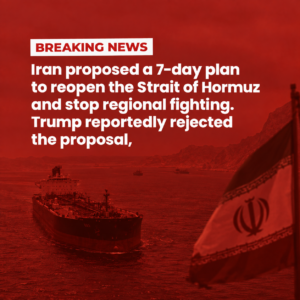
It’s hard to look at this crash in isolation from the broader geopolitical moment. The wider Middle East conflict involving Iran, Israel, and the United States has repeatedly disrupted oil markets over the past several months, including periodic closures and threats to the Strait of Hormuz — one of the most critical shipping chokepoints for global energy exports.
Saudi Arabia and other Gulf producers have been racing to ramp up output and exports as an interim deal aimed at de-escalating the US-Iran conflict has allowed some normalization of shipping and production activity. Ras Tanura’s reopening on Friday was part of that broader effort to restore full export capacity after months of disruption.
Against that backdrop, any incident at a major Saudi energy facility — even one that authorities say appears unrelated to the conflict — tends to draw outsized attention from energy markets, analysts, and journalists who are already on edge about supply stability in the Gulf.
What We Still Don’t Know
As of now, several key questions remain unanswered:
- What caused the crash? Investigators have not released any preliminary findings. Possible factors under review reportedly include mechanical or technical failure, weather conditions, and standard flight operation issues — but nothing has been confirmed.
- Who were the victims? Authorities have confirmed all 14 were Saudi nationals but have not released names, ages, or their roles within Aramco or its aviation subsidiary.
- What was the helicopter’s mission? It’s not yet clear whether the flight was a routine personnel transfer, an offshore operations run, or something else.
- How long will the investigation take? No timeline has been given for when findings will be made public.
Aviation accident investigations — especially ones involving corporate or state-affiliatedaircraft — can take weeks or months to reach conclusive findings, particularly when they involve a full technical review of the aircraft and flight data.
Final Thoughts
This is, first and foremost, a human tragedy — 14 people went to work or boarded a flight on an ordinary Sunday morning and did not come home. Beyond the loss itself, the crash has drawn attention because of where and when it happened: at one of the most important oil infrastructure hubs in the world, just two days after that hub resumed full operations following a months-long disruption tied to regional conflict.
For now, Saudi authorities have been careful not to speculate, and there is no indication this was anything other than an aviation accident. As the investigation continues, more details about the victims, the helicopter’s mission, and the technical cause of the crash are expected to emerge. We’ll know more once Saudi authorities release their findings.
This article is based on reporting from Dawn.com (AFP), Al Jazeera, Bloomberg, Reuters, and the Saudi Press Agency (SPA), among other outlets, as of June 29, 2026. This is a developing story and details may change as investigators release more information.
Sources
- Dawn.com — “Aramco helicopter crash kills 14 in Saudi Arabia” (AFP)
- Al Jazeera — “Saudi Aramco helicopter crash in Ras Tanura kills all 14 on board”
- Bloomberg — “Aramco Helicopter Crash in Ras Tanura Kills All 14 on Board”
- Reuters via The Jerusalem Post — “Saudi Aramco helicopter crashes in Ras Tanura, at least 14 killed, authorities confirm”
- Saudi Press Agency (SPA) — official statement, Ministry of Energy