Iran Israel Conflict: Regional Tensions, Global Reactions and What Comes Next
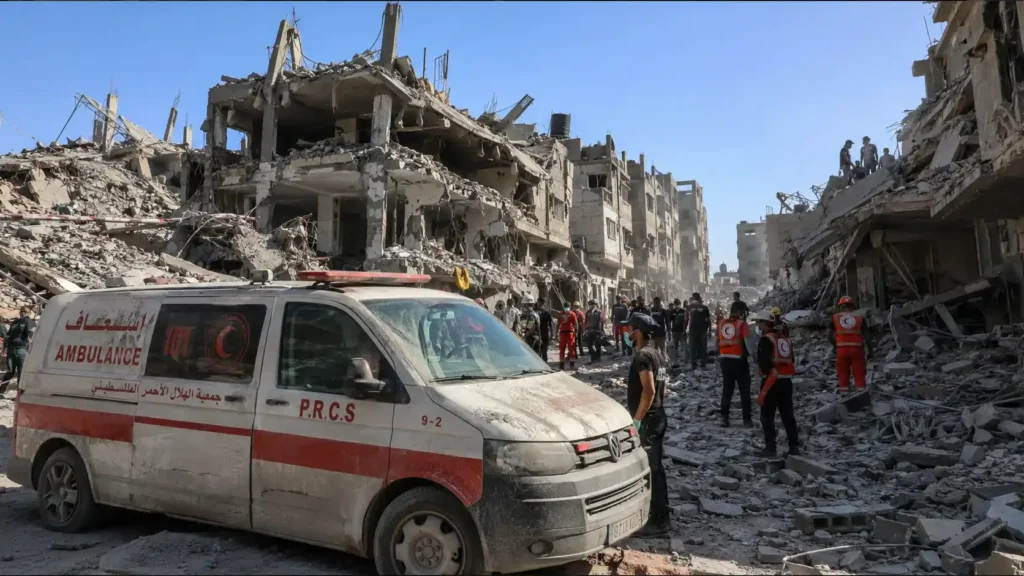
The Iran Israel conflict continues to dominate international headlines as governments, diplomats, and security analysts closely monitor developments across the Middle East. While military activity has fluctuated, concerns remain over regional stability, global energy markets, and the possibility of renewed escalation. The ongoing situation has prompted diplomatic efforts from world powers, increased security measures across neighboring countries, and renewed discussions about long-term peace and stability in one of the world’s most strategically important regions.
The rivalry between Iran and Israel has long been one of the defining geopolitical issues in the Middle East. Over the years, the two countries have engaged in indirect conflicts through regional allies, intelligence operations, cyber activities, and military actions. However, recent developments have once again highlighted how quickly the situation can escalate, raising concerns among neighboring countries and the wider international community.
Military analysts believe that any renewed confrontation carries significant risks, not only for Iran and Israel but also for countries across the Gulf region. Commercial shipping routes, oil infrastructure, and civilian populations could all be affected if hostilities intensify. This has prompted regional governments to strengthen security measures while maintaining communication with international partners.
Diplomatic Pressure Increases
Several world powers have called for restraint and emphasized the importance of diplomacy over military escalation. International organizations have also urged both sides to avoid actions that could further destabilize the region.
Diplomatic efforts have included consultations between regional governments, discussions within international institutions, and continued engagement by global powers seeking to reduce tensions. Although significant differences remain between the parties involved, diplomatic channels continue to operate behind the scenes.
Political observers note that diplomacy often progresses slowly during periods of heightened tension. Nevertheless, continued dialogue is viewed as an essential tool for preventing misunderstandings and reducing the likelihood of unintended escalation.
Regional Security Concerns
Countries across the Middle East have increased their focus on national security as uncertainty continues. Governments are reviewing emergency preparedness plans, strengthening border security, and monitoring developments that could affect domestic stability.
Military experts suggest that the modern nature of regional conflict extends beyond conventional warfare. Cybersecurity, intelligence gathering, missile defense systems, and unmanned aerial vehicles have become increasingly important components of national defense strategies.
The broader security environment also affects commercial aviation, maritime transportation, and international trade. Shipping companies and airlines often adjust operations based on security assessments issued by governments and international agencies.
Economic Impact Beyond the Region
One of the immediate consequences of geopolitical uncertainty is increased volatility in global financial markets. Investors closely monitor developments in the Middle East because the region plays a critical role in global energy production.
Oil prices often react to concerns about potential disruptions to supply routes. Even the possibility of increased tensions can influence commodity markets, insurance costs for shipping companies, and transportation expenses worldwide.
Energy-importing countries remain particularly attentive to developments, as prolonged instability could contribute to higher fuel prices and increased inflation. Businesses involved in logistics, aviation, and manufacturing also evaluate potential risks associated with regional instability.
Financial analysts emphasize that market reactions are often influenced not only by confirmed events but also by expectations regarding future developments. As a result, diplomatic announcements, official statements, and military updates can all have measurable economic effects.
Humanitarian Considerations
Beyond political and military developments, humanitarian organizations continue to stress the importance of protecting civilian populations. International humanitarian law requires all parties involved in any conflict to minimize harm to civilians and safeguard essential infrastructure.
Aid organizations have repeatedly highlighted the need for uninterrupted access to humanitarian assistance where required. They also emphasize the importance of maintaining healthcare services, communication networks, and access to food and water during periods of instability.
Families across the region continue to follow developments with concern, hoping that diplomatic initiatives will prevent further escalation and reduce the risk of additional civilian suffering.
International Reactions
Governments across Europe, Asia, North America, and the Middle East have issued statements encouraging de-escalation. Many countries have reaffirmed their commitment to regional stability while maintaining diplomatic engagement with relevant stakeholders.
International institutions continue to monitor developments and encourage peaceful dialogue. Security experts argue that coordinated diplomatic efforts involving multiple regional and global actors may offer the best opportunity for reducing tensions over the long term.
Foreign ministries in several countries have also issued travel advisories, advising citizens to remain informed about local conditions and follow official guidance when traveling within the region.
Historical Context
Relations between Iran and Israel have remained strained for decades. The rivalry has evolved through changing regional dynamics, strategic alliances, and security concerns.
In recent years, technological advances have expanded the nature of competition beyond conventional military capabilities. Cyber operations, intelligence activities, precision-guided missile systems, and drone technology have become increasingly prominent in regional security calculations.
Experts believe that understanding this broader historical context is essential for interpreting current developments. Individual incidents are often connected to longer-term strategic objectives pursued by both sides.
What Comes Next?
Future developments will depend on multiple factors, including diplomatic negotiations, regional security assessments, and decisions made by political leaders. Analysts caution against drawing firm conclusions based on individual events, noting that situations can evolve rapidly.
Many observers believe that preventing further escalation remains in the interest of all parties, given the significant humanitarian, economic, and security consequences associated with prolonged conflict.
The coming weeks are expected to remain important as governments continue diplomatic engagement while closely monitoring security conditions throughout the Middle East.
Conclusion
The ongoing tensions between Iran and Israel continue to influence regional politics, international diplomacy, and the global economy. While military capabilities remain an important element of strategic calculations, diplomatic engagement remains the primary avenue for reducing the risk of broader conflict.
As international leaders call for restraint and dialogue, the situation remains fluid. Governments, businesses, humanitarian organizations, and citizens worldwide will continue monitoring developments closely, recognizing that stability in the Middle East has implications far beyond the region itself.
For now, the international community continues to emphasize diplomacy, regional cooperation, and peaceful conflict resolution as the most effective path toward lasting stability.