Middle East Crisis Escalates as U.S.-Iran Tensions Raise Fears of Wider Regional Conflict
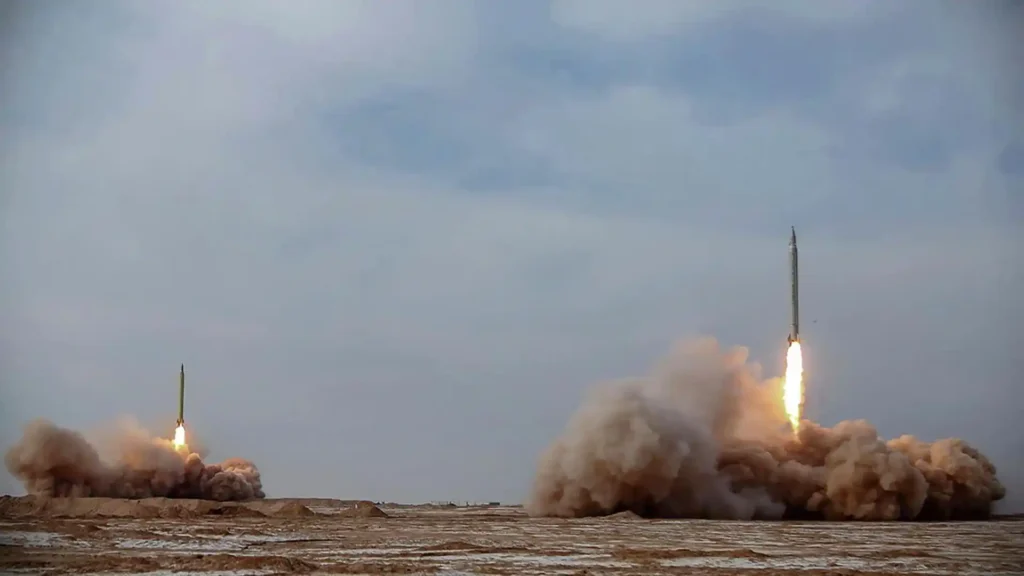
The Middle East has entered another period of heightened uncertainty as tensions between the United States and Iran continue to escalate, raising concerns about the possibility of a broader regional conflict. A series of military actions, increasingly aggressive warnings from political leaders, and growing threats to international shipping routes have placed global markets and governments on alert.
The latest developments come as the United States continues air operations against Iranian military targets, with reports indicating that American strikes have entered an 11th consecutive night. The ongoing campaign has intensified fears that the confrontation could move beyond a limited exchange and develop into a wider conflict involving regional allies and strategic waterways.
For millions of people across the region, the growing military confrontation represents more than a geopolitical dispute. It brings renewed concerns about civilian safety, economic stability, and the possibility of another prolonged crisis in an already fragile part of the world.
Rising Military Pressure Between Washington and Tehran
The relationship between Washington and Tehran has remained deeply strained for decades, shaped by disputes over security, regional influence, and Iran’s nuclear program. However, the recent escalation has pushed tensions to one of their most dangerous points in recent years.
U.S. military operations targeting Iranian positions have increased pressure on Tehran, with American officials maintaining that the strikes are aimed at weakening military capabilities and protecting broader security interests.
Iran, meanwhile, has strongly condemned the attacks and warned that further escalation could lead to serious consequences. Iranian officials have repeatedly stated that any major strike against sensitive facilities would receive a strong response.
The exchange of threats has created a dangerous cycle in which each side’s actions risk triggering a larger confrontation.
Nuclear Facility Becomes Center of Concern
One of the most sensitive issues in the crisis is the reported focus on Iran’s underground “Pickaxe Mountain” nuclear facility.
U.S. President Donald Trump has warned that the facility could face a “very heavy” attack, increasing fears that a strike on such a strategically important location could dramatically change the nature of the conflict.
Nuclear-related sites carry particular significance because any military action against them could have consequences beyond traditional battlefield calculations. Governments around the world have expressed concern about the risks associated with attacks on facilities connected to nuclear activities.
Experts have long warned that conflicts involving nuclear infrastructure can create unpredictable outcomes, including environmental concerns, political instability, and increased pressure for retaliation.
Growing Threats Around the Strait of Hormuz
Beyond direct military strikes, another major concern is the potential impact on global energy supplies.
The Strait of Hormuz, one of the world’s most important energy shipping routes, has become a central point of concern as Houthi forces have expanded threats against commercial shipping.
The waterway is a critical route for global oil transportation, and any disruption could affect energy markets worldwide. Even the possibility of attacks on commercial vessels can create uncertainty for shipping companies, insurers, and governments.
A prolonged crisis in the region could contribute to higher energy prices, increasing costs for businesses and consumers far beyond the Middle East.
For countries that rely heavily on imported energy, including many developing economies, rising oil prices could create additional economic pressure at a time when many nations are already dealing with inflation and financial challenges.
Regional Countries Watch Closely
Countries across the Middle East are closely monitoring the situation as they attempt to balance security concerns with the risk of becoming directly involved.
Many regional governments have historically sought to avoid major conflicts that could damage economic development, trade, and domestic stability. However, the interconnected nature of Middle Eastern politics means that a conflict involving major powers can quickly affect neighboring countries.
Diplomatic efforts are expected to play an important role in preventing further escalation. International organizations and foreign governments have repeatedly called for restraint, warning that a wider conflict would have serious humanitarian and economic consequences.
Human Cost Behind the Headlines
While military operations and political statements dominate international headlines, the human impact remains at the center of the crisis.
Every escalation carries risks for ordinary people who have little influence over decisions made by governments and military leaders. Families living near conflict zones face uncertainty, while communities fear disruptions to essential services, security, and daily life.
Past conflicts in the region have shown that even limited military confrontations can create long-lasting consequences for civilians. Beyond immediate casualties, wars often leave behind economic hardship, displacement, and deep social challenges.
Global Markets Remain on Alert
Financial markets are also closely watching developments. Oil prices, shipping costs, and investor confidence can all be affected by instability in the Middle East.
The region’s importance to global energy supplies means that even a limited disruption can have worldwide consequences. Businesses and governments are preparing for different scenarios, including prolonged tensions or further military escalation.
Analysts say that the coming days could be critical in determining whether the situation moves toward diplomacy or enters a more dangerous phase.
A Critical Moment for Diplomacy
The current crisis represents a significant test for international diplomacy. With military actions continuing and warnings becoming increasingly severe, the possibility of miscalculation remains a major concern.
The priority for many governments and international observers is preventing the conflict from expanding into a wider regional war. Diplomatic channels, communication between key powers, and efforts to reduce tensions may determine whether the crisis can be contained.
For now, the Middle East remains at a critical crossroads. The decisions made by leaders in Washington, Tehran, and across the region will not only shape the future of their own countries but could influence global security, energy markets, and international relations for years to come.
The world is watching closely as a dangerous confrontation continues to unfold.