European Union Russia Sanctions: EU Pushes New Measures Against Moscow
The European Union is moving toward a new round of sanctions against Russia as the war in Ukraine continues to intensify, with European leaders negotiating a 21st sanctions package aimed at increasing economic pressure on Moscow.
The proposed measures come as Ukraine continues to call for stronger international action and Russian military operations remain a major security concern for Europe. The latest sanctions discussions highlight the EU’s ongoing effort to weaken Russia’s ability to finance its war while maintaining unity among member states facing different economic and political pressures.
The new package could become one of the most significant rounds of restrictions introduced by the European bloc since the beginning of the conflict, targeting financial networks, energy-related activities, and companies accused of supporting Russia’s economy.
EU Targets Russian Financial Networks and Energy Trade
A central part of the proposed sanctions package focuses on expanding restrictions against Russian banks, cryptocurrency companies, and oil traders.
European officials have argued that limiting access to international financial systems is a key tool for reducing Russia’s ability to generate revenue and sustain military operations.
The cryptocurrency sector has also received increased attention from governments worldwide, as digital assets can sometimes be used to move funds outside traditional banking systems. EU policymakers are seeking stronger controls to prevent individuals and organizations linked to Russia from using alternative financial channels to avoid existing restrictions.
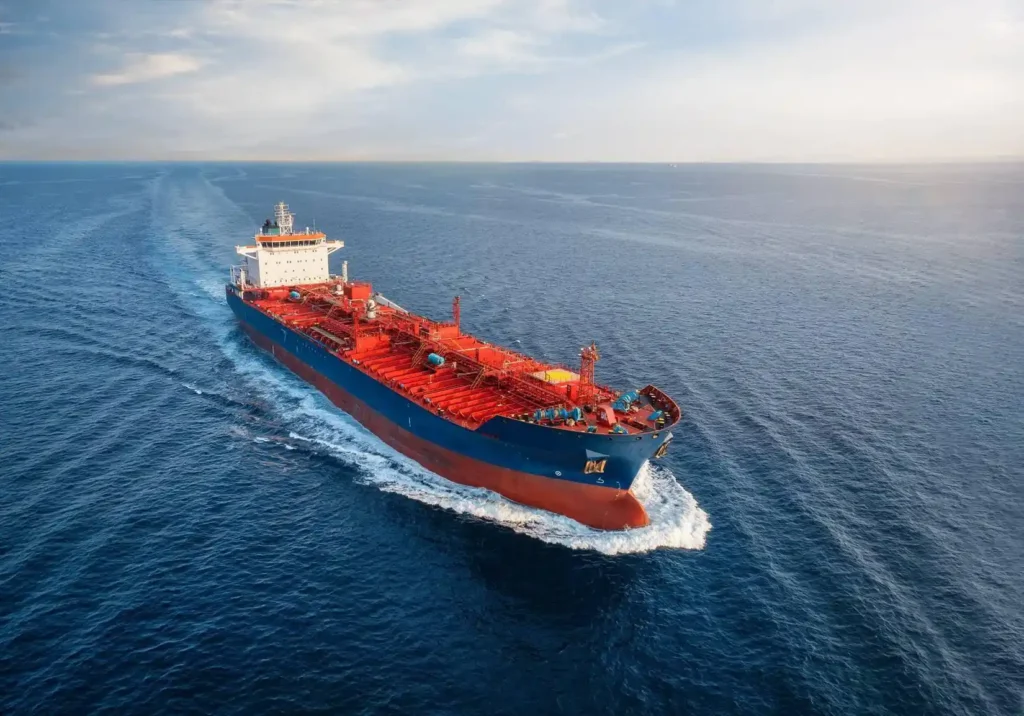
Oil trading remains another major area of concern. Despite previous sanctions, Russia has continued to earn significant revenue from energy exports, making the energy sector a major focus of international efforts to increase economic pressure.
Member States Debate Impact on LNG Shipping
While many EU countries support stronger measures against Russia, disagreements remain over some parts of the proposed sanctions package.
Greece and some other member states have raised concerns about restrictions connected to liquefied natural gas (LNG) shipping. The shipping industry plays an important role in several European economies, and governments are weighing the security goals of sanctions against potential economic consequences.
The debate reflects a broader challenge facing the European Union: maintaining a united approach while balancing the different interests of its 27 member states.
Energy security has remained a sensitive issue for Europe since the war began. Many countries have worked to reduce dependence on Russian energy supplies, but completely replacing existing trade relationships has created economic and logistical challenges.
Ukraine Calls for Stronger European Response
Ukraine continues to urge European governments to take stronger action against Russia as attacks on Ukrainian territory continue.
President Volodymyr Zelenskyy has repeatedly called on international partners to increase pressure on Moscow, arguing that stronger sanctions are necessary to limit Russia’s military capabilities and encourage a path toward peace.
Kyiv has welcomed previous European sanctions but has pushed for additional restrictions targeting Russia’s energy revenues, financial institutions, and companies involved in supporting the war effort.
Ukrainian officials have maintained that economic pressure remains an important part of the international response alongside military and humanitarian support.
Zelenskyy Announces Military Leadership Changes
Amid the ongoing conflict, Ukrainian President Volodymyr Zelenskyy has announced significant changes within the country’s military leadership.
Leadership changes during wartime are often closely watched, as they can signal adjustments in strategy, operational priorities, or efforts to improve military effectiveness.
The Ukrainian government has stated that such decisions are focused on strengthening defense capabilities and responding to the evolving nature of the battlefield.
The changes come at a critical moment as Ukraine continues facing pressure from Russian military operations and seeks to maintain support from international allies.
Sanctions Remain a Key Tool in Western Strategy
Since Russia launched its full-scale invasion of Ukraine, sanctions have become one of the primary tools used by Western countries to respond to the conflict.
The European Union, along with the United States, United Kingdom, and other partners, has introduced multiple rounds of restrictions targeting Russian industries, financial institutions, and individuals.
However, the effectiveness of sanctions remains a subject of international debate. Supporters argue that they create long-term economic pressure and limit Russia’s access to important resources. Critics point to challenges such as enforcement difficulties, economic costs for sanctioning countries, and Russia’s efforts to develop alternative trade relationships.
The proposed 21st sanctions package represents another attempt by Europe to balance these challenges while maintaining pressure on Moscow.
A Difficult Balance Between Unity and Economic Reality
The upcoming negotiations will test the European Union’s ability to maintain a common position on Russia policy.
While there is broad agreement among EU leaders that pressure on Moscow should continue, differences over specific measures show the complexity of coordinating policy across diverse economies.
European officials must weigh several factors, including security concerns, energy stability, economic consequences, and public support.
As the Ukraine war continues, sanctions are likely to remain a central part of Europe’s strategy. The final outcome of the negotiations will determine how aggressively the EU moves to restrict Russia’s financial and energy networks.
For Ukraine, the message remains clear: stronger international pressure is needed to change the course of the conflict. For Europe, the challenge is finding a path that preserves unity while responding to one of the continent’s most serious security crises in decades.
The next stage of EU sanctions negotiations could play an important role in shaping the economic and diplomatic direction of the Russia-Ukraine conflict.